
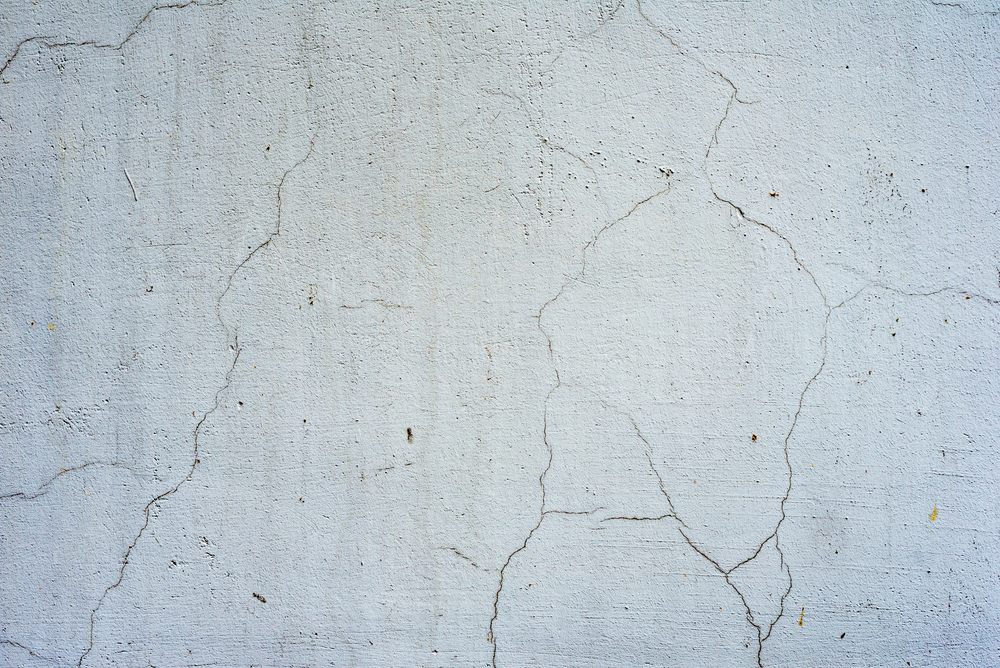
Mitigating Sulfate Attack: How Slag Cement Protects Concrete
Understanding Sulfate Attack Sulfate attack is a prevalent form of concrete deterioration that occurs when sulfate ions (SO₄²⁻) present in soils, seawater, or industrial effluents infiltrate concrete structures. These ions react with hydration products of portland cement, particularly tricalcium[…]

Mitigating the Risk of Alkali-Silica Reaction (ASR)
Mitigating the Risk of Alkali-Silica Reaction (ASR) Alkali-Silica Reaction (ASR) is a detrimental chemical reaction that occurs between the alkalies in portland cement and certain reactive silica minerals found in aggregates. This reaction produces a hygroscopic gel that absorbs[…]

Reducing Permeability with Slag Cement: Enhancing Durability
Slag cement significantly reduces the permeability of concrete by increasing the formation of calcium-silicate hydrate (C-S-H), the compound responsible for providing strength and cohesion in the cement paste. Typically, when portland cement hydrates, it forms both C-S-H and calcium[…]
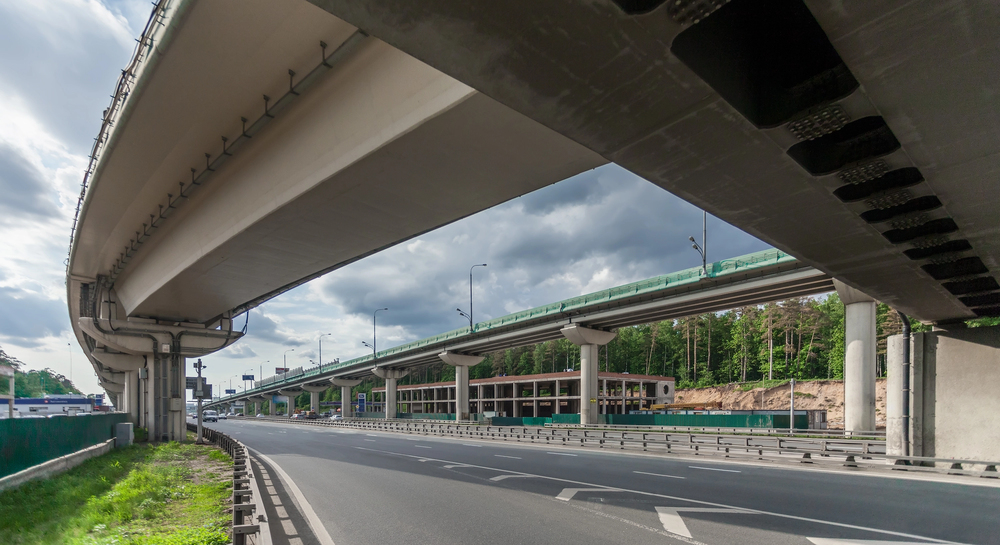
Enhancing Durability and Extending the Lifecycle of Concrete Structures
Slag cement is a powerful material that, when used in concrete production, can significantly enhance the durability and lifespan of concrete structures. This improvement is achieved through a combination of chemical and physical benefits, making slag cement an essential[…]