
Mitigating the Risk of Alkali-Silica Reaction (ASR)
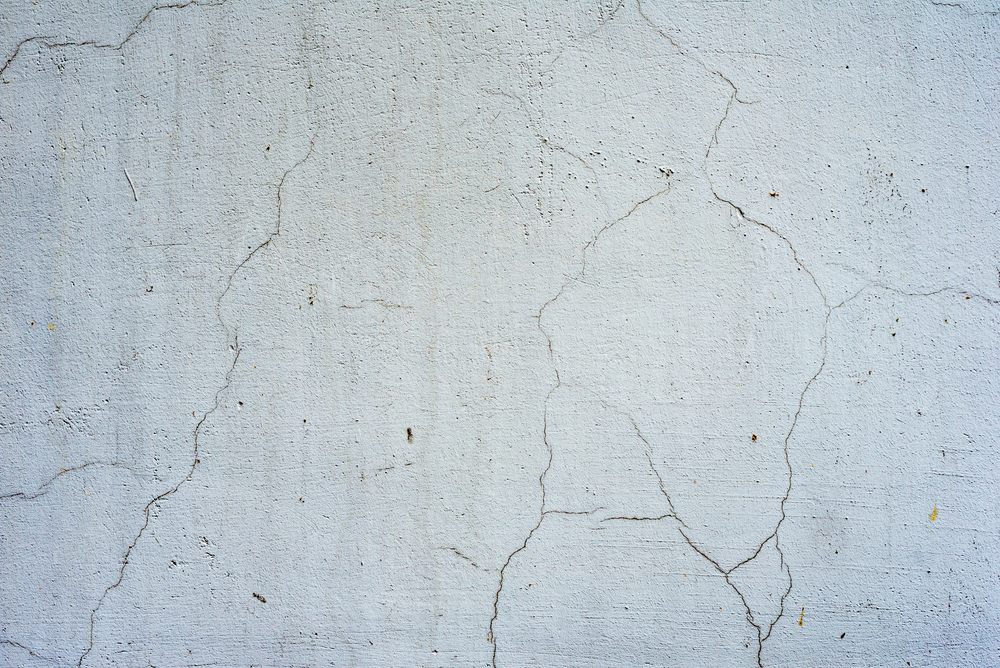
Alkali-Silica Reaction (ASR) is a detrimental chemical reaction that occurs between the alkalies in portland cement and certain reactive silica minerals found in aggregates. This reaction produces a hygroscopic gel that absorbs moisture and expands, leading to concrete cracking and structural damage. ASR can compromise the durability of concrete, particularly under conditions of high moisture, temperature, or certain design factors. Once ASR begins, it’s nearly impossible to stop, making prevention a critical aspect of concrete mix design.
How Slag Cement Mitigates ASR Risk
Slag cement plays a crucial role in mitigating ASR by reducing the available alkali content in concrete. This significantly lowers the potential for reaction between cement alkalies and reactive aggregates. Slag cement binds more alkalies through its hydration products compared to portland cement, which reduces the alkali concentration in the concrete’s pore solution. Depending on the reactivity of the aggregate, the slag cement content typically ranges from 25% to 70% by mass of the total cementitious material. By incorporating slag cement, ASR is not only mitigated but the long-term durability of the concrete is also enhanced.
For projects involving potentially reactive aggregates, slag cement offers an effective solution to ensure the longevity and safety of concrete structures. For precise recommendations and optimization of your concrete mix, consult with a slag cement professional to determine the appropriate level of slag cement to prevent ASR. Each concrete mix is unique, and expert guidance will help you achieve optimal performance for your project’s specific conditions.
Additional Benefits of Slag Cement in ASR Prevention
Beyond ASR mitigation, slag cement enhances concrete performance in multiple ways. It improves sulfate resistance, reduces permeability, and increases overall compressive strength. These benefits are especially valuable for infrastructure exposed to harsh conditions like marine environments, bridge decks, and parking structures.
Moreover, slag cement contributes to sustainable construction practices. By partially replacing portland cement, it significantly reduces carbon emissions, aligning with green building initiatives and LEED standards.
Best Practices for Specifying Slag Cement to Prevent ASR
When designing concrete mixes for ASR mitigation, understanding the reactivity of your aggregates and the alkalinity of your cementitious materials is essential. Tests such as ASTM C1260 and C1567 are commonly used to evaluate ASR potential and the effectiveness of mitigation strategies.
Our technical resources provide guidance on mix design, dosage recommendations, and performance expectations. For personalized support, you can always contact our experts to ensure your specifications meet the durability requirements of your structure.
Make the Right Choice Early
Since ASR is extremely difficult to mitigate once it starts, prevention through smart mix design is vital. Incorporating slag cement solutions early in the planning phase offers a cost-effective, sustainable, and performance-enhancing strategy.
For more information about how slag cement can benefit your next project, explore our full range of products and get in touch with our team for expert support.