
Mitigating Sulfate Attack: How Slag Cement Protects Concrete
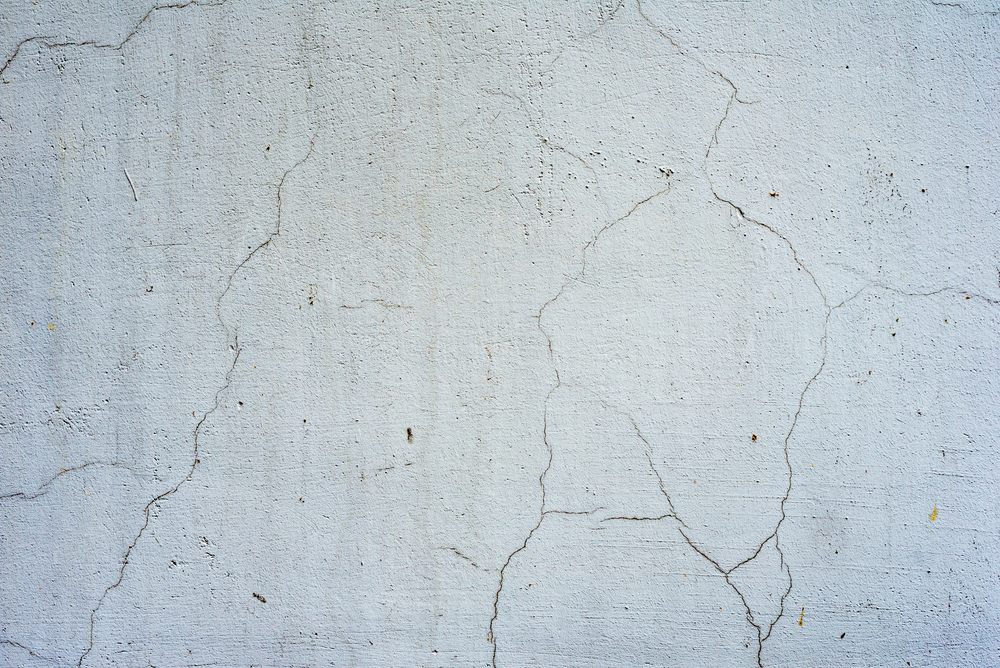
Understanding Sulfate Attack Sulfate attack is a prevalent form of concrete deterioration that occurs when sulfate ions (SO₄²⁻) present in soils, seawater, or industrial effluents infiltrate concrete structures. These ions react with hydration products of portland cement, particularly tricalcium[…]
Benefits of Slag Cement and Cost Efficiency
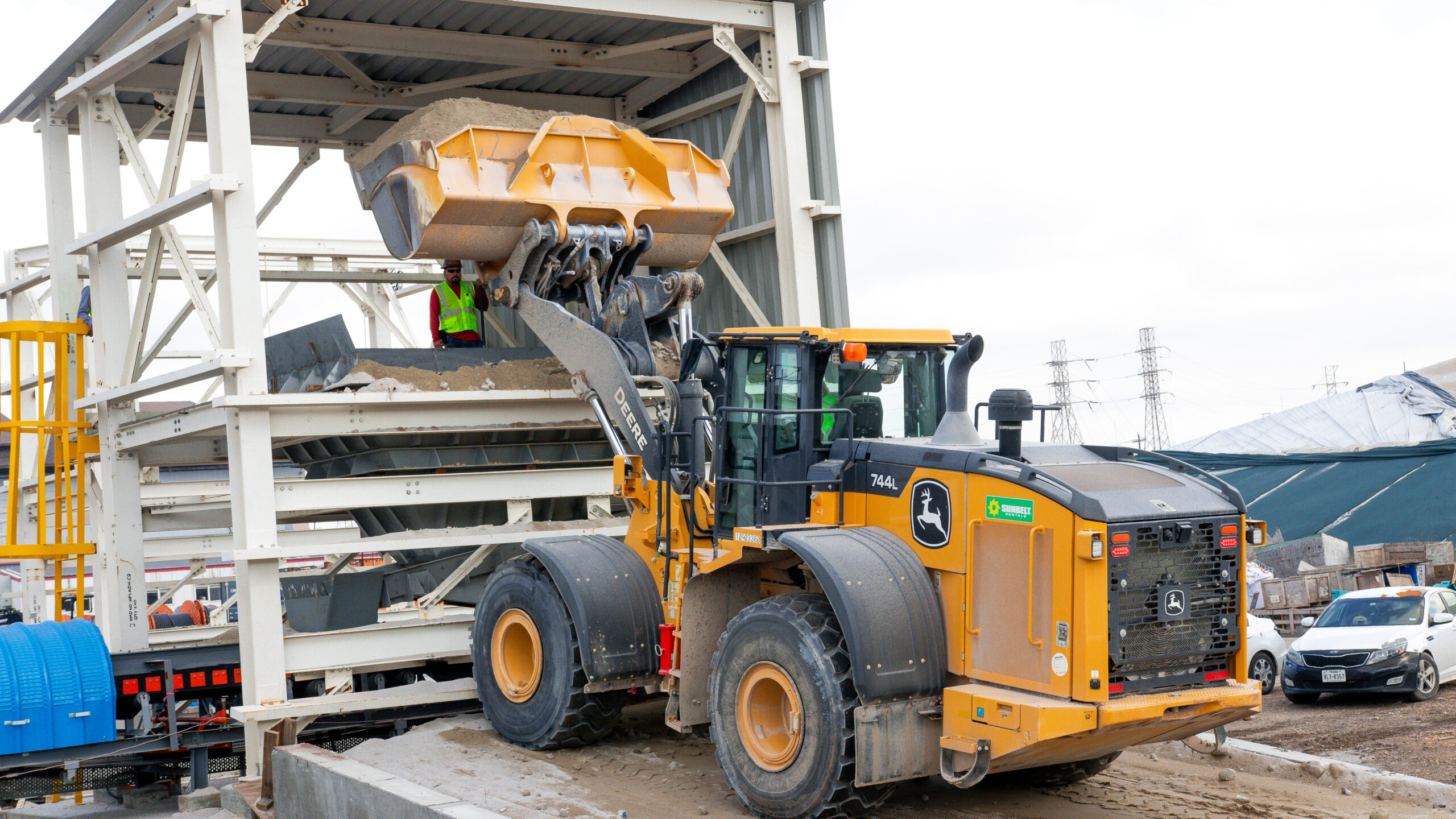
Get More From Your Concrete Mixes with Slag Incorporating slag cement into concrete mixtures significantly enhances the durability and longevity of structures, leading to reduced maintenance needs and overall life cycle costs. This supplementary cementitious material offers a range[…]

Achieving LEED with Slag: Enhancing Sustainability in Construction
Slag Cement and LEED What is LEED™? Leadership in Energy and Environmental Design (LEED) is a national standard developed to certify high-performance, sustainable buildings. Among its various standards, LEED for New Construction and Major Renovations (LEED-NC) is the most[…]

Mitigating the Risk of Alkali-Silica Reaction (ASR)
Mitigating the Risk of Alkali-Silica Reaction (ASR) Alkali-Silica Reaction (ASR) is a detrimental chemical reaction that occurs between the alkalies in portland cement and certain reactive silica minerals found in aggregates. This reaction produces a hygroscopic gel that absorbs[…]

Compressive and Flexural Strength: Enhancing Structural Performance with Slag Cement
Stronger, Durable, and Eco-Friendly In the ever-evolving construction industry, the demand for materials that offer superior strength, durability, and sustainability is paramount. Slag cement, a byproduct of iron production, has emerged as a key component in modern concrete mixtures,[…]

Slag Cement and Fly Ash: Concrete Properties
Slag Cement Vs Fly Ash When comparing slag cement vs. fly ash, slag cement offers greater uniformity, helping produce concrete mixtures with more consistent performance. This can provide more predictable setting times, strength, and durability. Fly ash performance can[…]

Why Does Europe Use Slag in Its Cement Projects?
European – Ahead of the World in Sustainability When it comes to sustainable construction practices, Europe consistently leads the charge, embracing innovative solutions to reduce environmental impact. One of the biggest solutions is the use of slag, Ground Granulated[…]

Understanding Greening in Concrete Made with Slag Cement
What is Greening in Concrete During Curing? When using slag cement in concrete, a temporary surface discoloration known as “greening” mayoccur. This phenomenon appears as mottled green or blue-green areas on the concrete surfacewithin the first few days after[…]

Life Cycle Benefits of Slag Cement: Durability and Cost Efficiency
Slag cement plays a crucial role in extending the life of concrete structures while reducing overalllife cycle costs. Its use in concrete offers a range of benefits that enhance durability andperformance, including: These physical and chemical enhancements significantly extend[…]
How Is Slag Made?
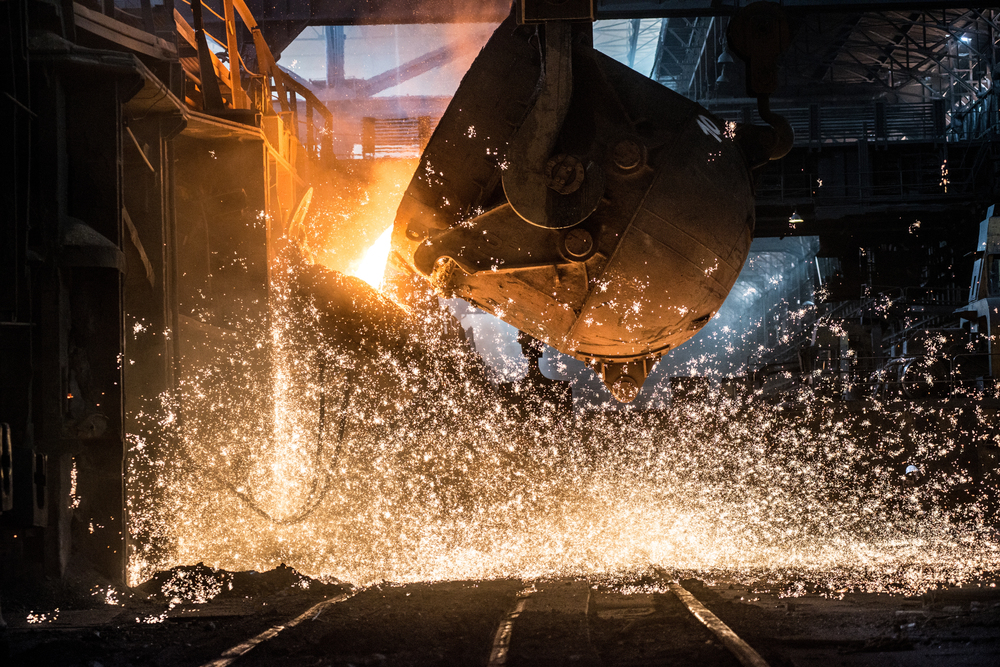
Slag, specifically Ground Granulated Blast Furnace Slag (GGBFS), is a byproduct of the steel-making process. Here’s a simplified explanation: Are There Limitations on Metals Used to Make GGBFS? Is Making Slag Harmful to the Environment? The production of slag[…]